The most common water heater mistake is also the easiest one to make: the old unit dies, and the replacement gets ordered in the same size, because that is what was there. But the old unit may have been the wrong size to begin with, or the household may have changed since it was installed. A family that grew from two people to five, a remodel that added a bathroom, or a teenager who now showers for 20 minutes can all turn a “correct” replacement into a unit that runs out of hot water by the second shower.
Why Household Size Alone Doesn’t Decide It
Headcount is the starting point, but three factors decide the right size.
Household size. More people means more hot water drawn in the same morning or evening window.
Number of bathrooms and fixtures. A four-person home with one bathroom rarely has four showers running at once. A four-person home with three bathrooms, a soaking tub, and a dishwasher can.
Simultaneous use. This is the factor most people miss. A water heater is not sized for your average day. It is sized for your busiest hour: back-to-back showers, a dishwasher cycle, and a load of laundry all drawing hot water together. A standard 2.0 to 2.5 gallon-per-minute shower uses roughly 16 to 20 gallons over an 8-minute shower, so a few showers in a row can use most of a small tank.
For a tank unit, the number to look at is not only the gallon capacity but the first-hour rating, which is the amount of hot water the heater can deliver in one hour starting full. It is printed on the unit’s yellow EnergyGuide label, and it often matters more than the tank size on its own.
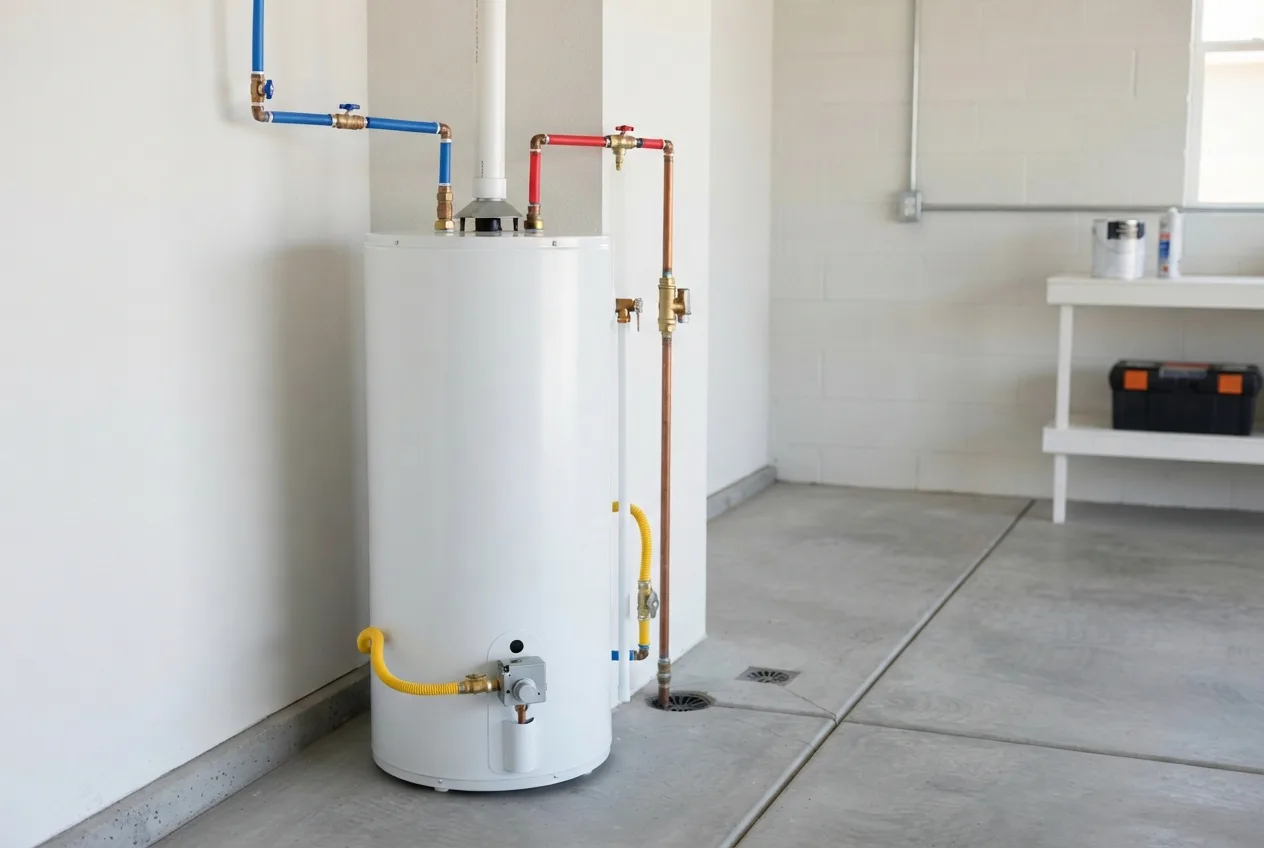
Tank Water Heater Sizing by Household
These are practical starting points for a standard tank water heater. Your exact answer depends on your fixtures and habits, which is why a walkthrough beats a chart.
| Household | Typical tank size |
|---|---|
| 1 to 2 people | 30 to 40 gallons |
| 2 to 3 people | 40 to 50 gallons |
| 3 to 4 people | 50 to 60 gallons |
| 5 or more people | 60 to 80 gallons |
Water heater size for a family of 4: most four-person homes land in the 50 to 60 gallon range, assuming two or three bathrooms and normal use. If the family stacks showers in the same hour, or has a large soaking tub, check the first-hour rating and consider the upper end of that range.
Tankless Water Heater Sizing by Household
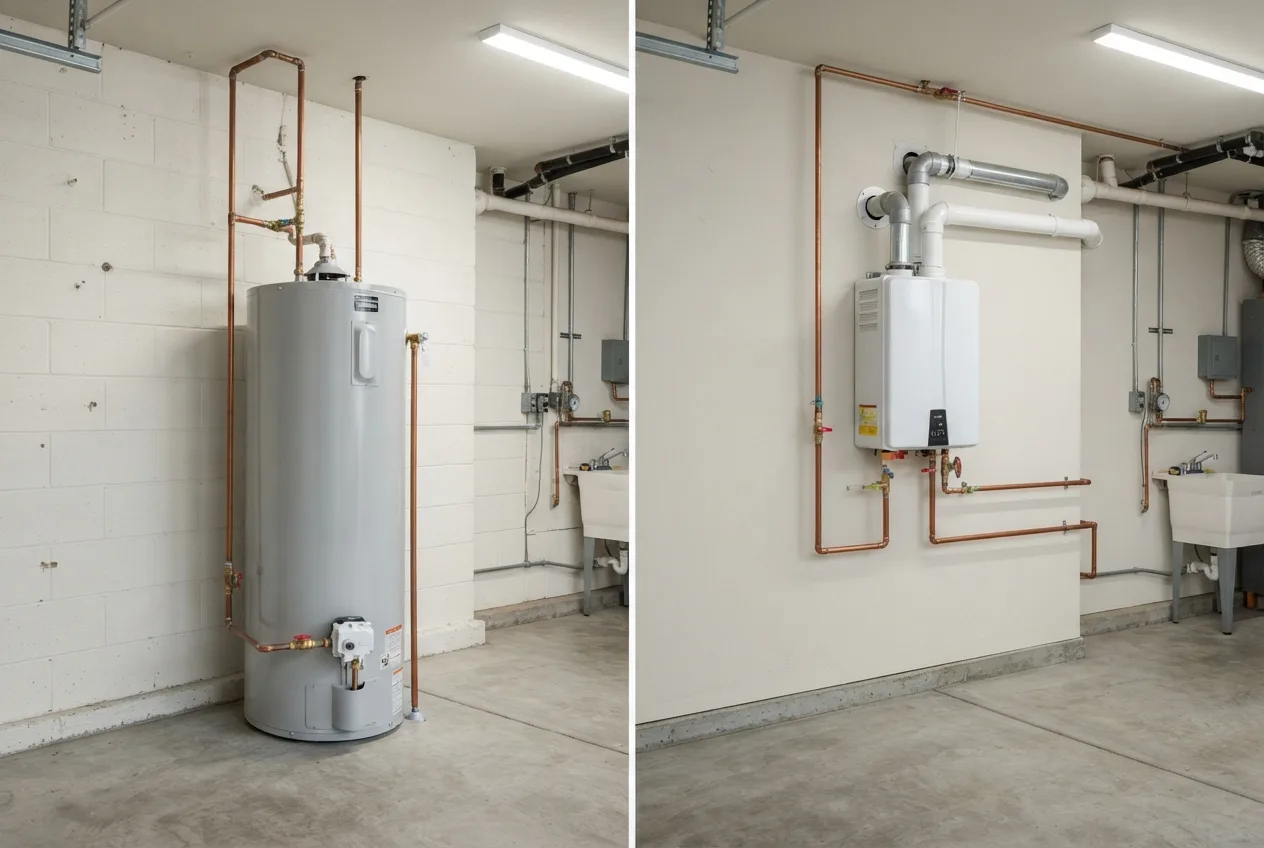
A tankless unit has no storage, so it is sized by flow rate (gallons per minute) and by temperature rise, which is how many degrees the unit has to add to your incoming water. The more fixtures you want running at once, and the colder your incoming water, the larger the unit you need.
| Household | Typical tankless capacity |
|---|---|
| 1 to 2 people, 1 bathroom | about 3 to 5 GPM |
| 3 to 4 people, 2 bathrooms | about 5 to 7 GPM |
| 5 or more people, 3 or more bathrooms | about 7 to 9 GPM or more |
San Diego’s milder incoming water temperature means less temperature rise than in colder climates, which helps. For a closer look at how the two types compare, read our guide on tank vs. tankless water heaters in San Diego.
Signs Your Water Heater Is Too Small or Too Large
An undersized unit shows up as:
- Hot water that runs out partway through a shower or the second person’s turn
- Long waits for the tank to recover between uses
- Lukewarm water when two fixtures run together (tankless)
- A unit that seems to run constantly
An oversized unit is harder to spot because nothing seems wrong. The sign is on the bill: a tank larger than the home needs keeps more water hot around the clock, and the heat it loses while sitting idle is energy you pay for and never use. An oversized tankless unit can also cost more upfront than the home needs.
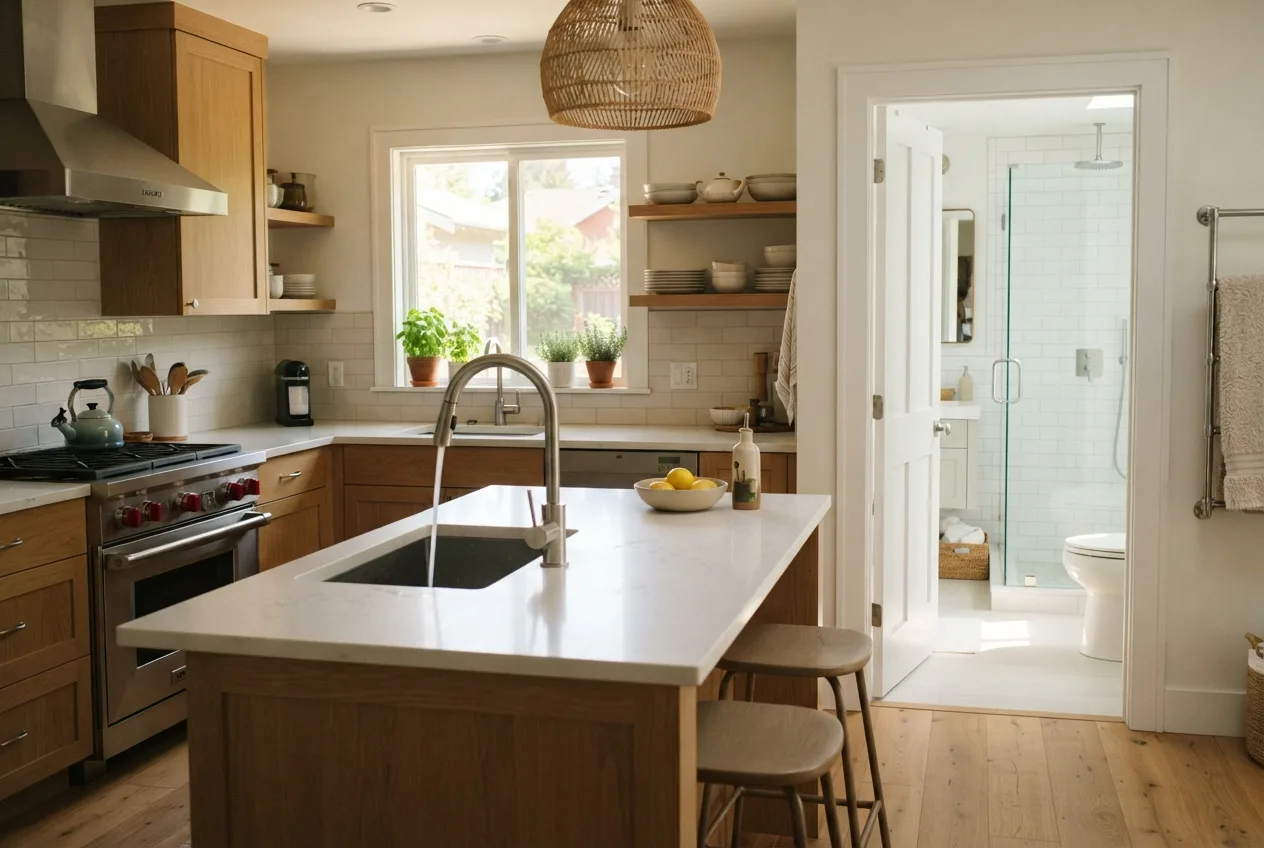
Cost and Value: Right-Sizing Saves Money
Correct sizing is a money decision as much as a comfort decision. A planned water heater installation generally runs about $1,800 to $3,500 for a standard tank and about $3,500 to $6,500 for a tankless system. A unit that is too small leads to frustration, early replacement, or a second installation. A unit that is too large costs more to buy, takes more space, and costs more to keep hot. Getting the size right the first time avoids paying for either mistake.
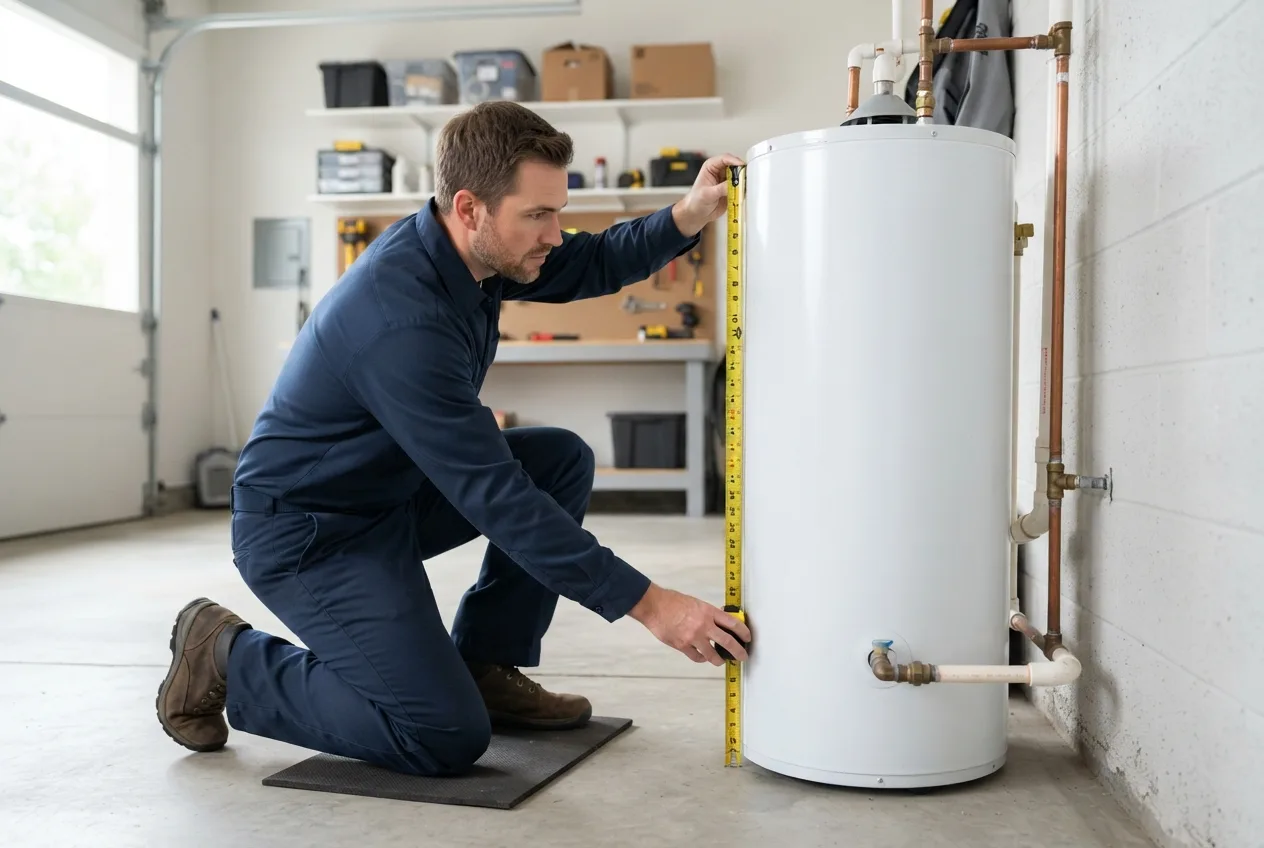
Fit matters too. A larger tank may not fit the closet or garage corner the old one occupied, and a bigger unit can change venting and clearance requirements. Those are better discovered during a walkthrough than on installation day.
Why San Diego Homeowners Choose Repipe Home Hero
Repipe Home Hero sizes every water heater installation based on an actual walkthrough of your household, not a generic chart. We ask how many people live in the home, count the bathrooms and fixtures, look at when hot water demand peaks, and check the space where the unit will go before recommending a size.
Owner Stefan Mirkov holds a California C-36 plumbing license (#1075463), and every job is handled by Repipe Home Hero’s own licensed crew, with no subcontracted labor. Repipe Home Hero has completed more than 950 projects across San Diego County and holds over 250 five-star Google reviews.
Frequently Asked Questions
Is a bigger water heater always safer to install “just in case”? No. An oversized tank costs more to buy and install, takes more space, and keeps more water hot around the clock, which wastes energy. It also may not fit the existing location or venting. A properly sized unit gives you enough hot water without the extra cost, and a planned review of your household’s peak demand is what keeps it that way.
What size water heater do I need for a family of 4? Most four-person homes do well with a 50 to 60 gallon tank, or a tankless unit around 5 to 7 GPM, depending on bathrooms and how often showers overlap. Your first-hour rating and fixture count make the final call.
Should I choose the same size as my old water heater? Not automatically. If your household, bathroom count, or hot water habits have changed since the old unit was installed, the old size may no longer fit. Replacing like for like is only right if the original was sized correctly in the first place.
Does a tankless water heater need to be sized differently? Yes. A tankless unit is sized by flow rate and temperature rise instead of tank capacity, so the number of fixtures you run at once matters more than the number of people in the house.
Schedule a Free Sizing Consultation
Not sure what size is right for your home? Repipe Home Hero offers a free sizing consultation for San Diego County homeowners, so you can choose a unit based on your actual household instead of a guess.
Call (619) 386-0375 or book your free sizing consultation online today.
Learn more about our water heater installation services, our tankless water heater options, or read our guide to tank vs. tankless water heaters in San Diego.