You installed the reverse osmosis system, the water tasted great, and you haven’t thought about it since. That is exactly how most people treat an RO system: install it once, forget it, and assume it will keep working. But an RO system is a set of filters and a membrane that wear out on a schedule, and when the upkeep slips, the water quietly gets worse long before anything looks wrong.
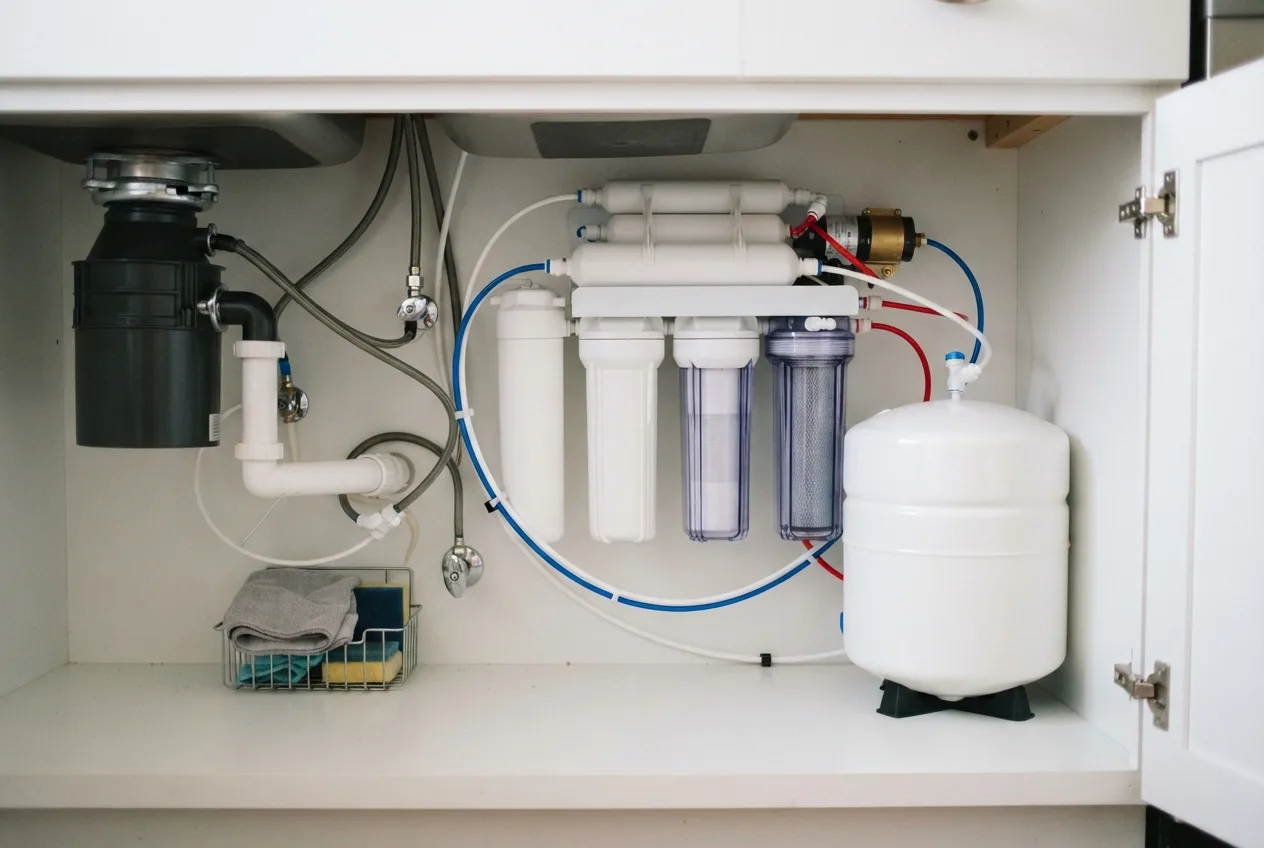
How an RO System Works, and Why Each Part Wears Differently
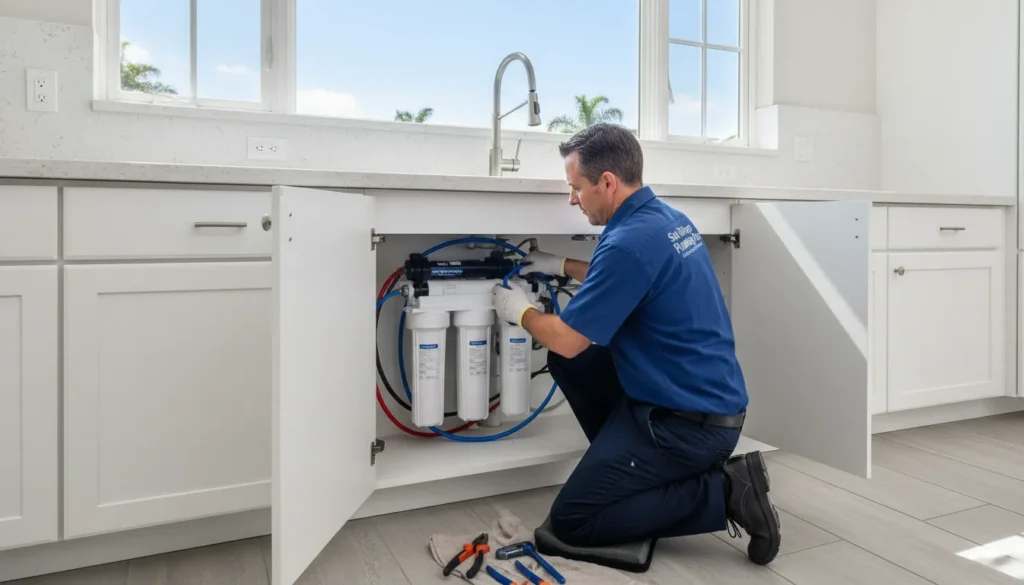
A typical under-sink reverse osmosis system cleans water in stages:
1. Sediment pre-filter. Catches sand, rust, and particles so they do not clog the later stages. 2. Carbon pre-filter (or two). Removes chlorine and chloramine, which protect the membrane from damage. 3. RO membrane. The heart of the system. A very fine membrane that rejects dissolved solids, which is what makes the water taste so clean. 4. Storage tank. Holds the treated water so it is ready when you open the tap. 5. Post-carbon filter. A final polish for taste and odor before the water reaches your faucet.
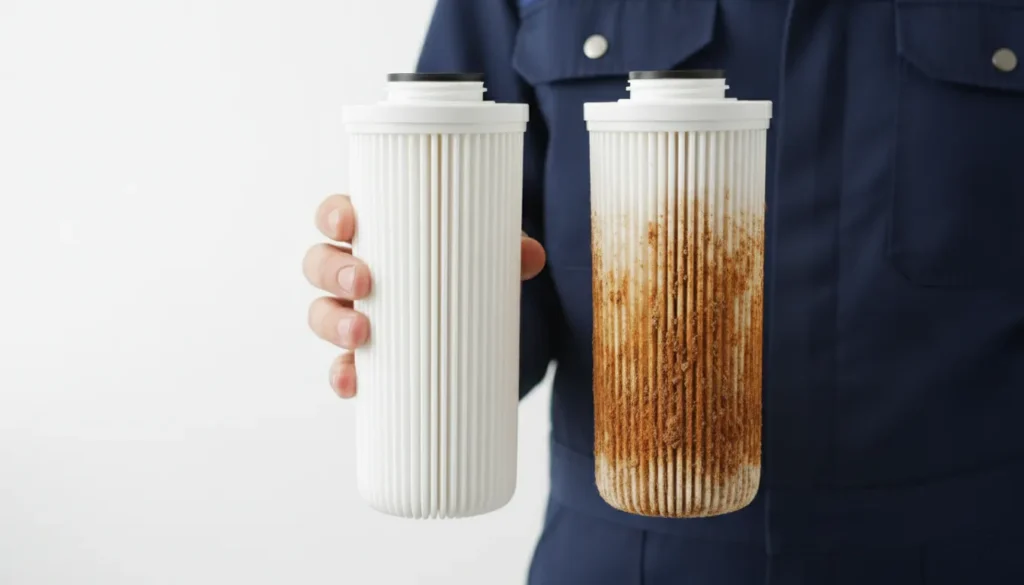
Each stage handles a different job, so each one wears out at a different pace. The first filters take the most abuse and need the most frequent replacement, while the membrane lasts longest, as long as the filters in front of it are changed on time.
A Typical Maintenance Schedule
General guidelines for a home RO system, which vary by manufacturer and by how much water you use:
| Component | Typical replacement |
|---|---|
| Sediment pre-filter | Every 6 to 12 months |
| Carbon pre-filter(s) | Every 6 to 12 months |
| Post-carbon filter | Every 12 months |
| RO membrane | Every 2 to 5 years |
| Whole system sanitizing | Once a year |
| Storage tank air pressure | Check once a year |
San Diego’s hard water is tough on RO systems. Heavy mineral content can clog filters and shorten membrane life, so homes with hard water often land on the shorter end of these ranges, especially without pre-treatment such as a softener. Always check your system’s own manual for the exact schedule.
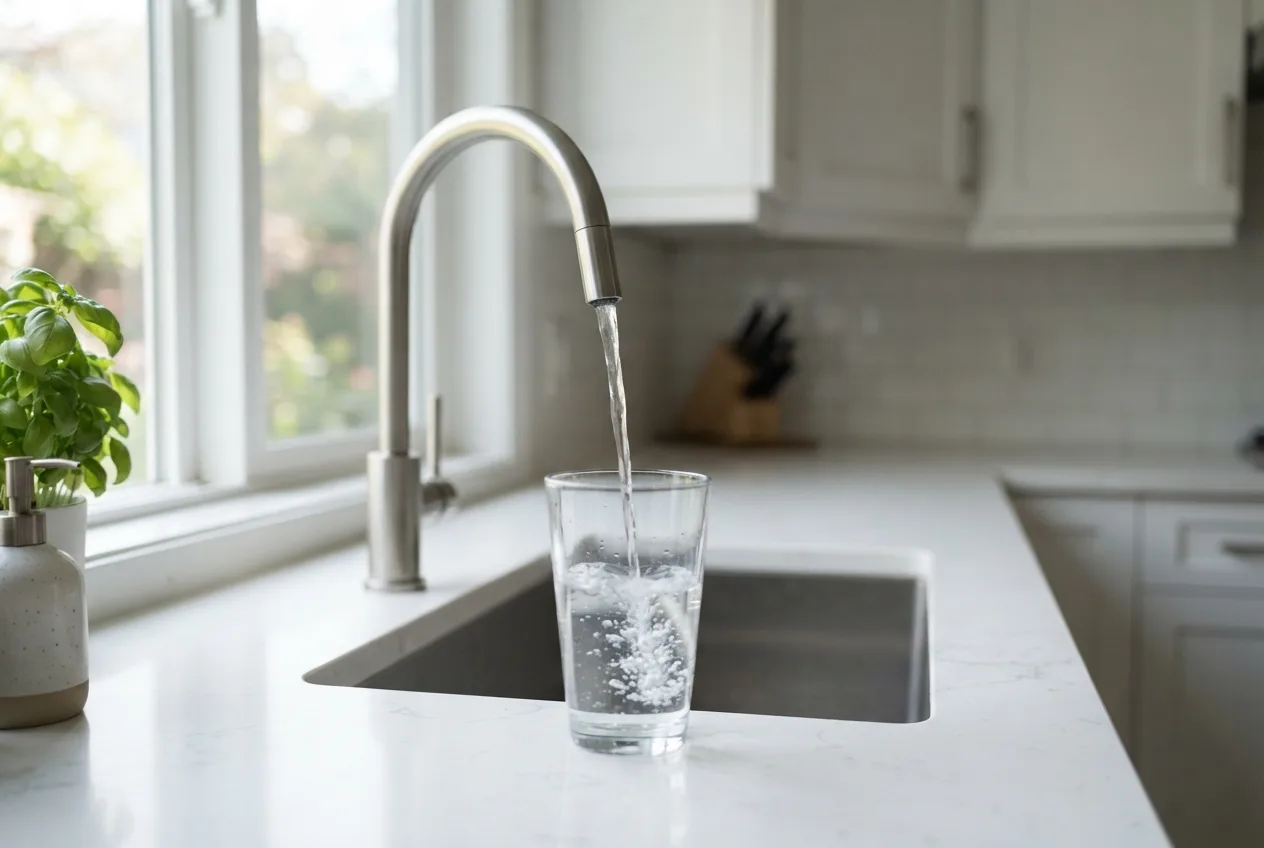
Signs Your System Is Overdue
- Slower output. The faucet takes longer to fill a glass, or the tank seems to run out.
- A change in taste or smell. Water that tastes flat, stale, or like chlorine means a filter is spent.
- Lower water pressure at the RO faucet. A weak stream can mean a clogged filter or a tank that has lost air pressure.
- A constantly running drain sound. Water running to the drain for long periods can point to a failing membrane or a faulty shutoff.
- Higher dissolved solids on a test meter. A TDS reading that climbs over time shows the membrane is no longer rejecting as much.
- Leaks or drips under the sink. Worn fittings or o-rings can leak long before they fail completely.
If you notice two or more of these, it is time for a maintenance visit.
Cost and Value
Replacement filter sets typically cost about $50 to $150 a year, and a membrane runs about $40 to $100 when it is due. A professional maintenance visit that covers filters, sanitizing, tank pressure, and a leak check commonly runs about $100 to $250. Over a year, that is a small price compared with replacing a system early because the membrane was ruined by a missed filter change.
Good maintenance also protects what you paid for. If you are still weighing whether RO is the right choice, see our comparison of reverse osmosis vs. whole house filtration, and if you are comparing whole home options, our guide to whole house water filtration cost can help.
Why San Diego Homeowners Choose Repipe Home Hero
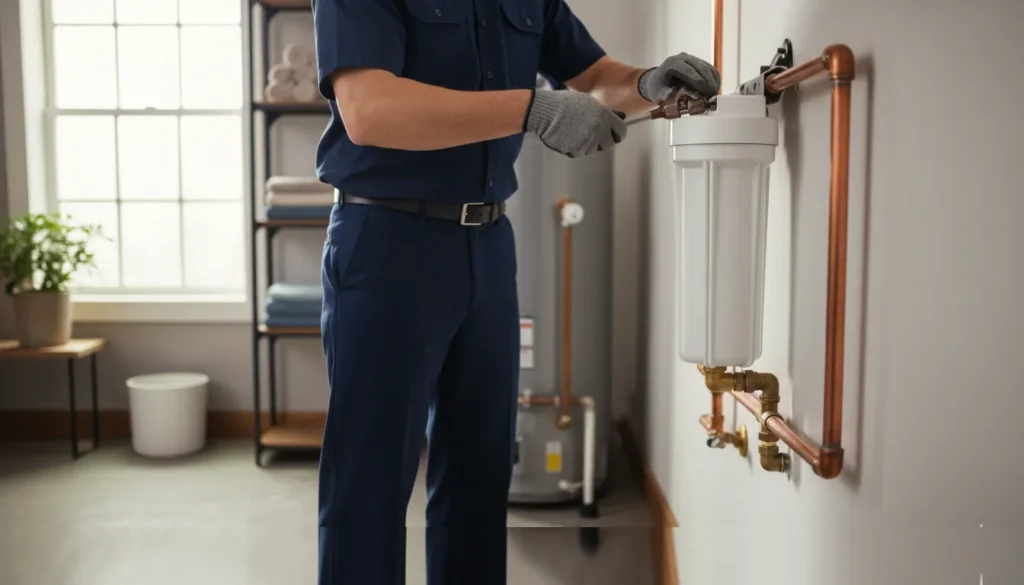
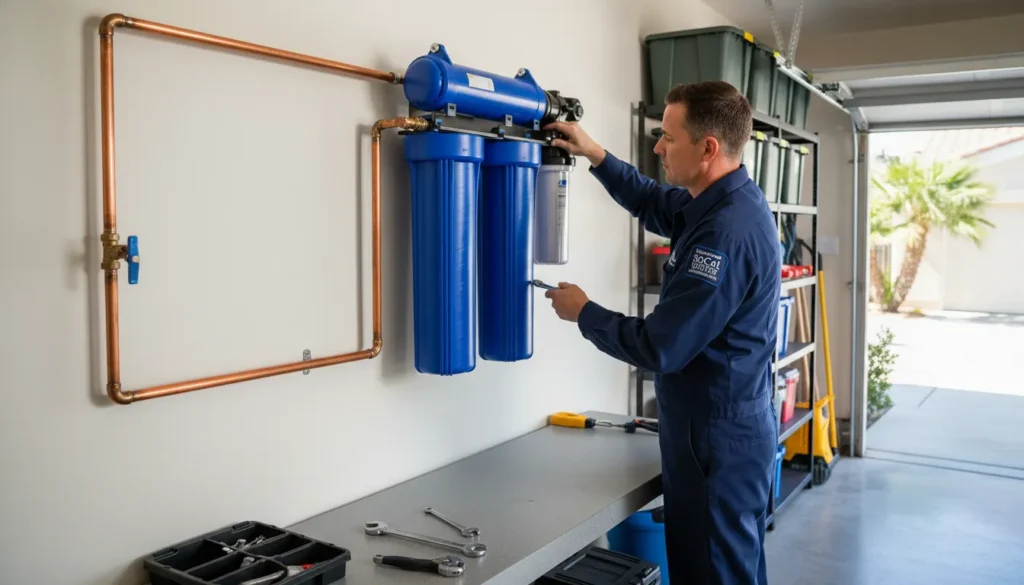
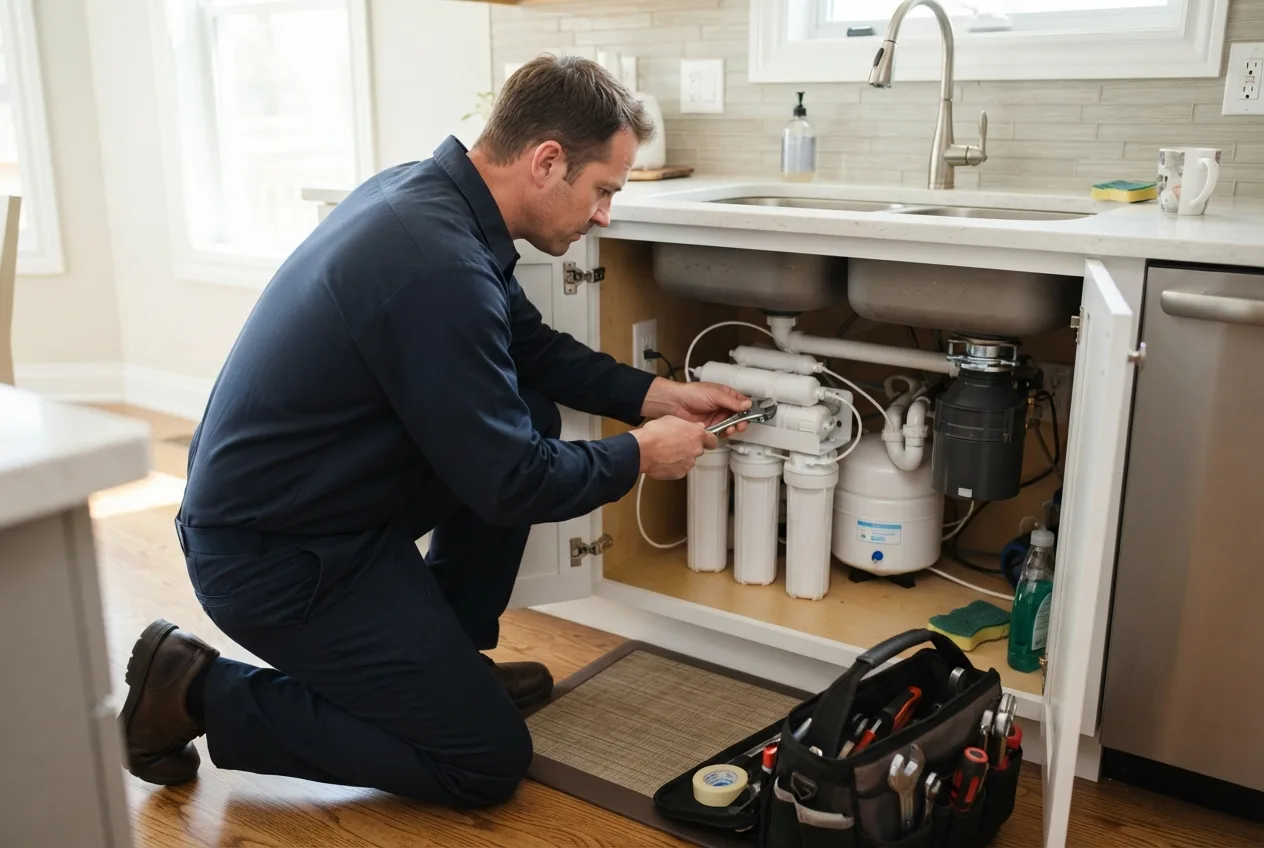
Repipe Home Hero offers scheduled maintenance visits so you do not have to track replacement dates yourself. We change the filters on time, sanitize the system, check tank pressure, inspect for leaks, and tell you plainly if the membrane is due. See our water filtration installation service for the full range of systems we install and maintain.
We hold a California C-36 plumbing license (#1075463), and every job is handled by our own licensed crew with no subcontracted labor. We have completed more than 950 projects across San Diego County and hold over 250 five-star Google reviews.
Frequently Asked Questions
How long should a well-maintained RO system last before needing full replacement? With on-time filter changes and a membrane replaced when due, most home RO systems last about 10 to 15 years. Components like the tank, faucet, and fittings eventually wear out, and at that point a replacement system is usually the better value than repeated repairs.
How often should I change the RO membrane? Typically every 2 to 5 years. Hard water or skipped filter changes can shorten that.
Can I do the filter changes myself? Many homeowners can swap pre-filters following the manufacturer’s instructions. Sanitizing, membrane replacement, tank pressure checks, and leak inspections are easier with a professional.
What happens if I never change the filters? Clogged filters slow the system, the water tastes worse, and an unprotected membrane wears out much sooner, which means a more expensive repair.
Schedule an Annual Maintenance Visit
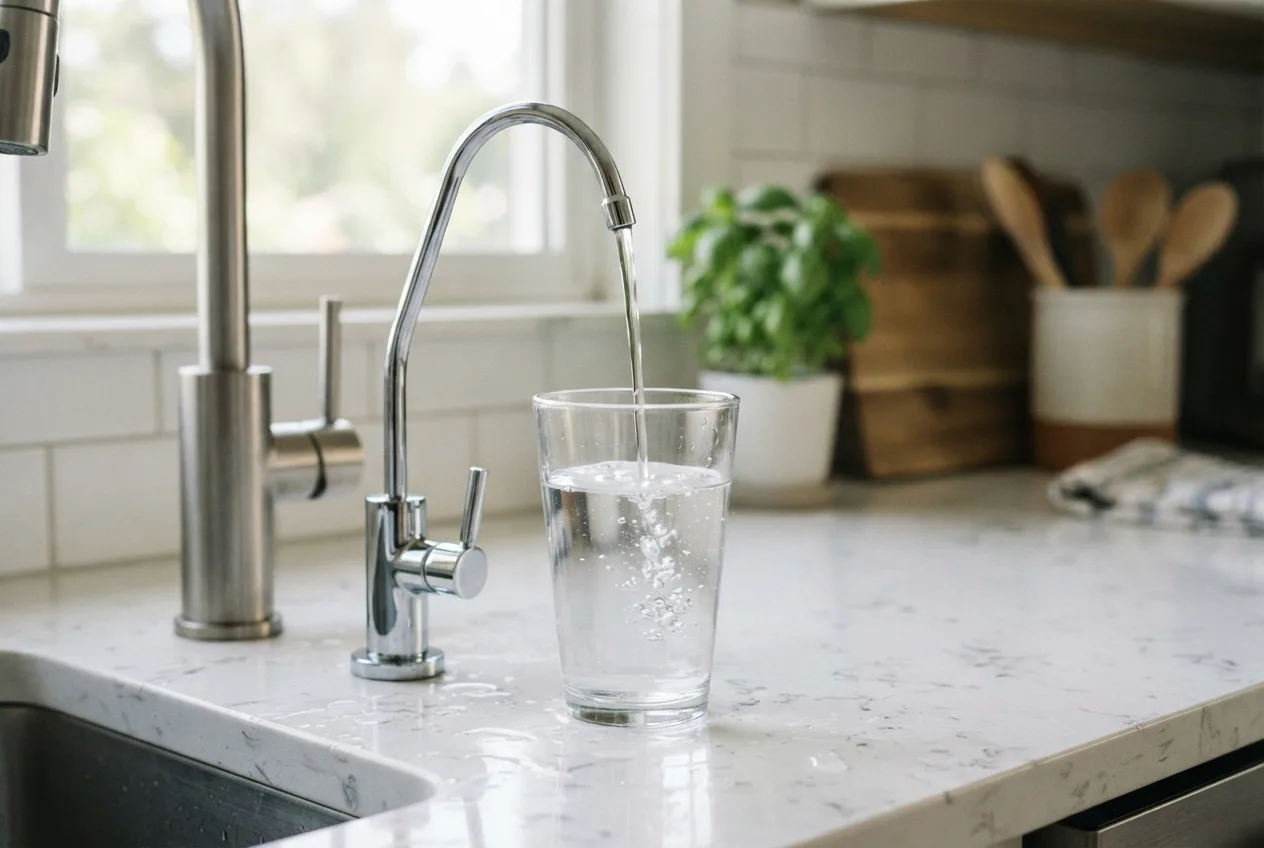
Not sure when your RO system was last serviced? Repipe Home Hero will schedule an annual maintenance visit for San Diego County homeowners, so your system keeps delivering clean water without you having to remember the dates.
Call (619) 386-0375 or schedule your annual maintenance visit online today.
Learn more about our water filtration installation, compare reverse osmosis and whole house filtration, or see the cost of whole house water filtration.