It is 2 a.m., the house is quiet, and you can hear it: a thin, steady trickle from the bathroom. You jiggle the handle, it stops for a minute, and then it starts again. A toilet that will not stop running is one of the most common plumbing annoyances, and it is also one of the most expensive to ignore, because the water goes straight down the drain while your bill creeps up.
What Is Actually Happening Inside the Tank
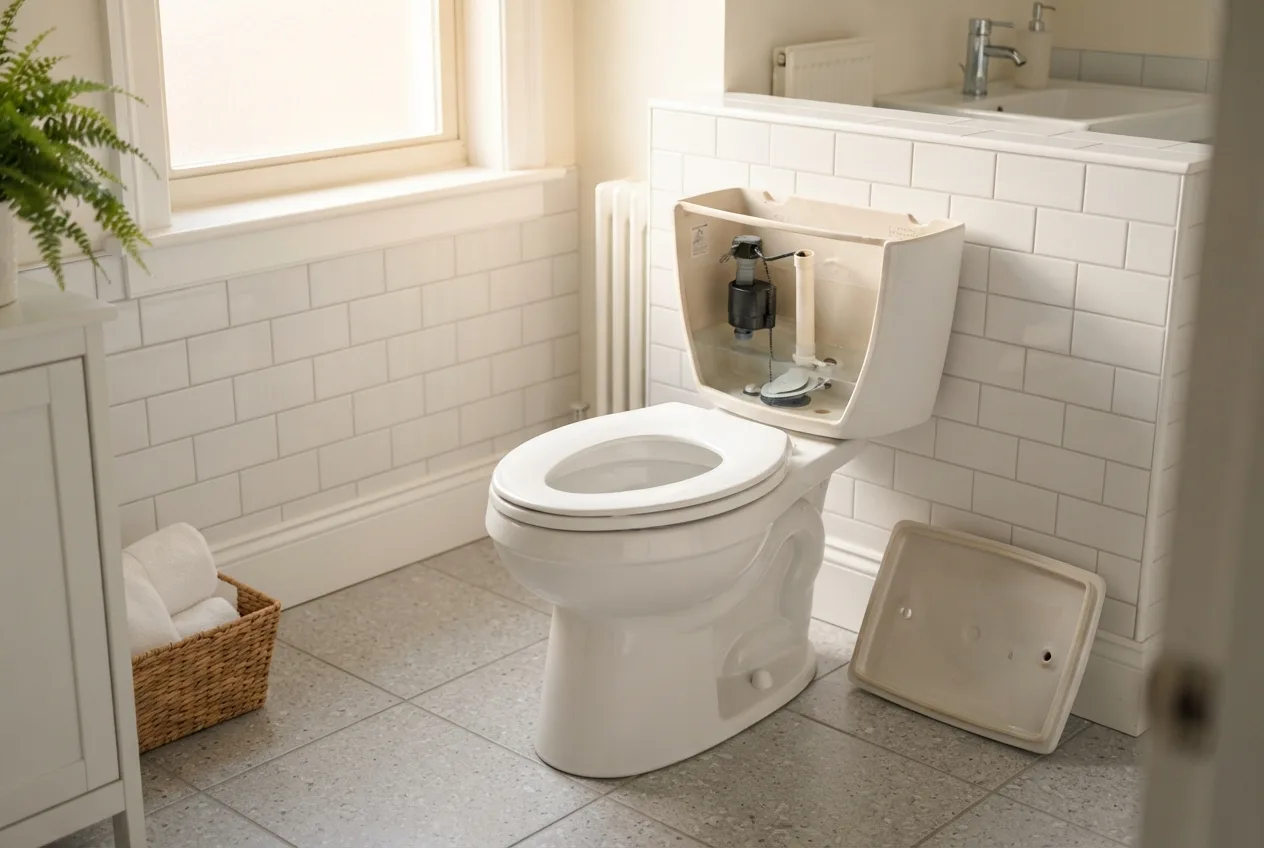
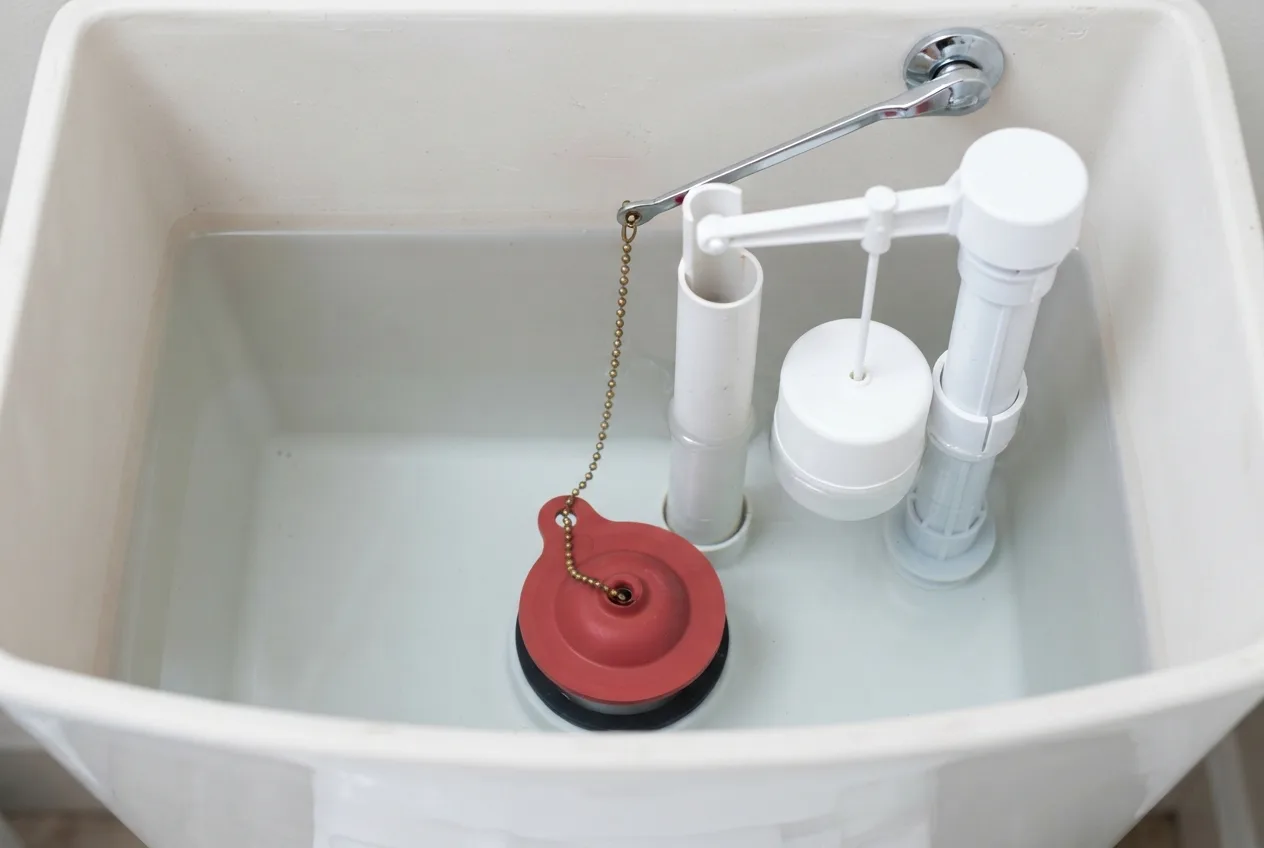
When you flush, the tank empties into the bowl. A rubber flapper at the bottom of the tank then drops back into place to seal the opening, and a fill valve refills the tank until a float tells it to stop. A tall overflow tube inside the tank is the safety net: if the water ever rises too high, it spills into the tube instead of onto your floor.
A toilet runs continuously when one of those parts fails to do its job. Either water is leaking out of the tank into the bowl, so the fill valve keeps topping it up, or the fill valve never shuts off, so water keeps flowing into the overflow tube. Both look the same from the outside: a toilet that never quite goes quiet.
The Most Common Causes
A worn or warped flapper. This is the number one culprit. Over time the rubber hardens, warps, or collects mineral deposits, and it stops sealing. Water slowly leaks into the bowl, and the tank refills every few minutes. Hard water, which is common in San Diego, speeds up the wear.
A flapper chain that is too tight or too loose. If the chain has too little slack, it holds the flapper slightly open. If it is too long, it can tangle under the flapper and block it from closing.
A misadjusted float. If the float is set too high, the water level climbs above the top of the overflow tube and spills into it nonstop. You will often see or hear water trickling down the tube.
A faulty fill valve. The fill valve can wear out, collect debris, or fail to shut off even when the float is correctly set. If lowering the float does not stop the flow, this is the likely cause.
A cracked overflow tube or corroded flush valve seat. The surface the flapper seals against can pit or corrode, so even a new flapper will not seal.
A Simple Test: Is It the Flapper?
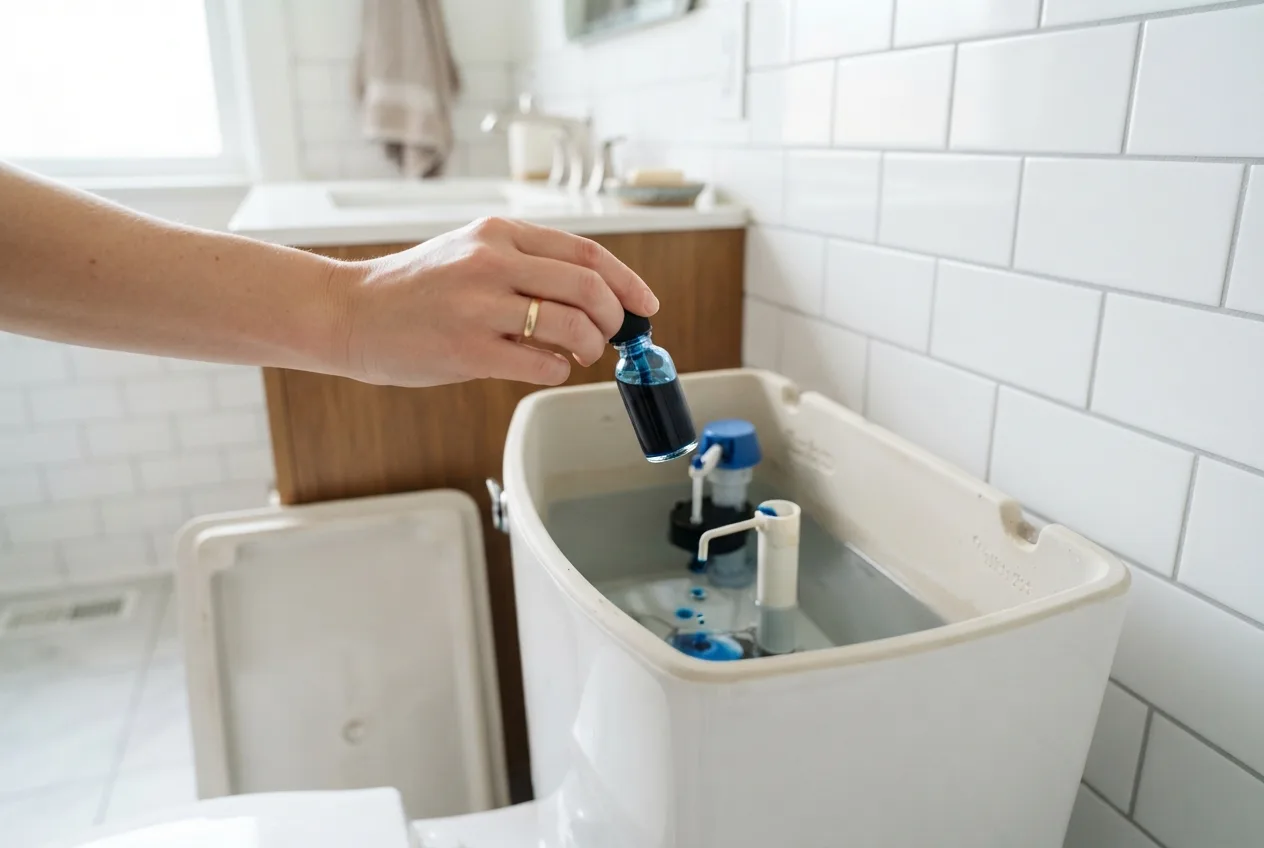
Remove the tank lid, add a few drops of food coloring to the tank water, and wait 15 minutes without flushing. If color appears in the bowl, water is leaking past the flapper. This is the quickest way to tell a flapper leak from a fill valve problem.
DIY Fix or Call a Plumber?
Good for a DIY fix:
- Adjusting the flapper chain so it has a little slack
- Lowering the float so the water stops about an inch below the overflow tube
- Replacing a worn flapper (a basic part that fits most toilets)
- Cleaning mineral buildup from the flapper and the seat
Better left to a plumber:
- A fill valve that keeps running after the float is adjusted, especially in an older toilet where the parts are hard to match
- A corroded or pitted flush valve seat
- Any crack in the tank or bowl
- Water pooling around the base of the toilet, which can point to a failed seal or supply line
- A toilet that is old enough that replacing the internals costs more than a new toilet
If you have tried the quick adjustments and the toilet still runs, a plumber can find the root cause in one visit, instead of replacing parts one at a time and hoping.
Cost and Value: What a Running Toilet Really Costs
The U.S. EPA’s WaterSense program notes that a leaking toilet can waste about 200 gallons of water a day. Over a month, that is roughly 6,000 gallons going down the drain. At San Diego water and sewer rates, a steady leak like that can add tens of dollars to a monthly bill, and a large one can cost more.
Compare that to the cost of the fix. A replacement flapper typically costs about $10 to $20, and a fill valve about $15 to $30 at a hardware store. A professional repair visit usually runs a few hundred dollars at most, and it fixes the problem for good. Letting it run for a few months can easily cost more than a repair visit. If your toilet is old and failing in several places, it may be worth looking at toilet installation instead of patching it again.
Why San Diego Homeowners Choose Repipe Home Hero
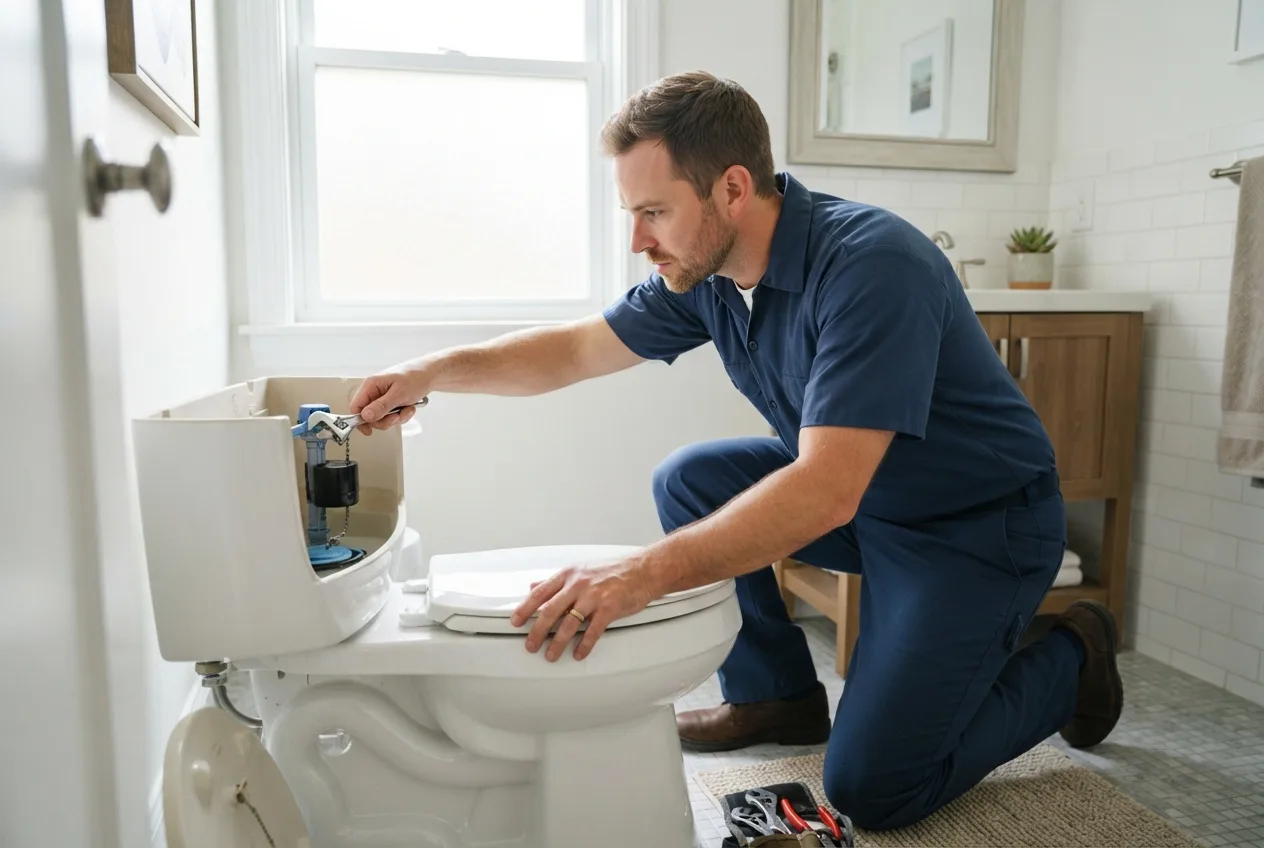
Repipe Home Hero offers fast, affordable toilet repair visits that fix the root cause, not a temporary patch. We check the flapper, fill valve, float, seat, and supply connections, tell you honestly whether a repair or a replacement makes more sense, and leave the bathroom clean.
Repipe Home Hero holds a California C-36 plumbing license (#1075463), and every job is handled by our own licensed crew with no subcontracted labor. We have completed more than 950 projects across San Diego County and hold over 250 five-star Google reviews. See our residential plumbing services for the rest of what we handle.
Frequently Asked Questions
Can a running toilet cause bigger plumbing problems if ignored? Yes. The most direct cost is wasted water and a higher bill. Over time, a constant flow also wears out the fill valve and other parts faster, and if the fill valve fails completely, the tank can overflow and cause water damage. A running toilet can also be a sign of a cracked tank or a leaking seal, which are worth catching early.
Why does my toilet keep running after I flush? Most often the flapper is not sealing, the chain is tangled or too tight, or the float is set too high. The food coloring test tells you whether it is the flapper.
Why does my toilet run on and off by itself? A “phantom flush,” where the toilet refills every so often with no one touching it, usually means a slow leak past the flapper. The tank slowly drops, and the fill valve tops it up.
How do I stop a toilet from running right now? Turn the water off at the shutoff valve on the wall behind the toilet. That stops the water and the waste while you decide whether to fix it yourself or call a plumber.
Schedule a Same-Week Toilet Repair Visit
If your toilet keeps running and you would rather have it fixed properly, Repipe Home Hero offers a same-week toilet repair visit for San Diego County homeowners. We find the cause, explain your options, and give you a clear price before any work starts.
Call (619) 386-0375 or book your toilet repair visit online today.
Learn more about our toilet installation services, read our guide to what to expect during a toilet installation, or see how to decide between toilet repair and replacement.