A water heater rarely fails out of nowhere. In the weeks before a full breakdown, it usually gives off small, easy-to-ignore signals: a faint rumble here, slightly off-color water there, a shower that takes a little longer to warm up. None of these feel urgent on their own. Together, they are your water heater telling you it is running out of time.
How Long a Water Heater Is Supposed to Last
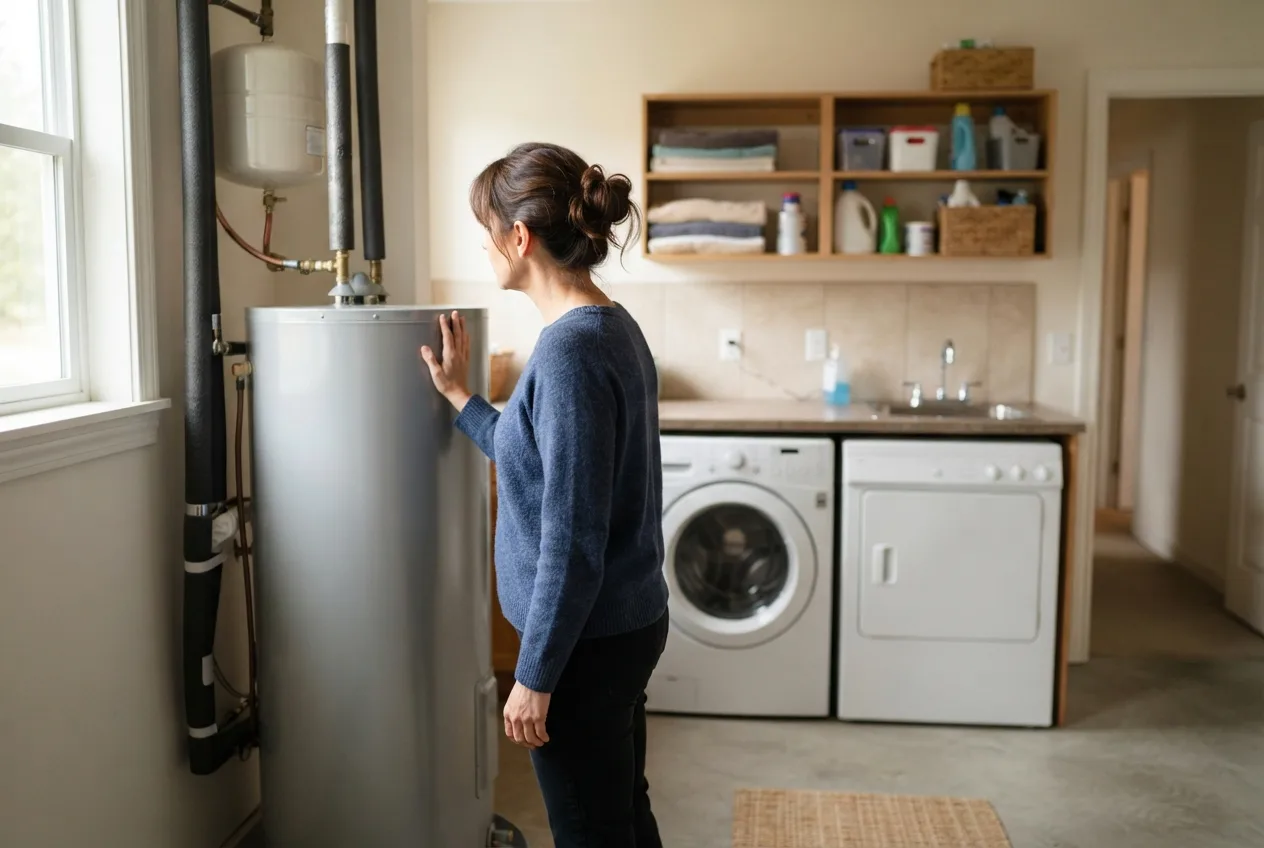
A standard tank water heater is built to last 8 to 12 years under normal conditions. San Diego’s water is harder than many homeowners realize, and that mineral content accelerates sediment buildup inside the tank, which tends to push local units toward the shorter end of that range rather than the longer one. A unit that is already past the 10-year mark is worth paying closer attention to, even if nothing seems obviously wrong yet.
The Specific Signs to Watch For
- Rumbling or popping sounds from the tank. This is sediment hardening and shifting at the bottom of the tank as it heats. Beyond being a nuisance, it reduces the tank’s heating efficiency and accelerates wear on the tank’s lining over time.
- Rusty or discolored water. Hot water that runs slightly rust-colored, especially right after the tap has been off for a while, usually means the tank’s interior lining is starting to break down. This is one of the more reliable signs that a tank is approaching failure rather than just underperforming.
- Inconsistent water temperature. Water that starts hot and fades partway through a shower points to reduced effective tank capacity, often from sediment buildup, or a heating element that is no longer working at full strength.
- A tank older than 10 years. Age alone is a meaningful signal. Even a unit with no obvious symptoms yet is statistically closer to failure once it passes this mark, and a proactive look costs far less than an emergency response after the fact.
- A pilot light that won’t stay lit, or a slow start-up on electric units. Both point to a specific failing component, which is sometimes repairable depending on the unit’s overall age and condition.
Noticing two or more of these signs is a good reason to get a professional opinion now rather than wait for the unit to make the decision for you.

Repair or Replace: A Simple Framework
If your unit is younger than 8 years and the issue traces to one specific part, such as a thermocouple, heating element, or pilot assembly, a repair is usually the right call. These repairs typically run $150 to $450.
If your unit is past 8 to 10 years old and you are seeing more than one of the signs above, especially rusty water or tank noise, replacement is usually the smarter move, even if the unit is technically still working. An aging tank that gets repaired once often develops a different issue within a year, and at that point the repair cost becomes money spent delaying an outcome that was coming anyway.
The Cost of Waiting vs. Replacing Proactively
A planned replacement, scheduled on your own timeline, generally runs $1,800 to $3,500 for a standard tank or $3,500 to $6,500 for a tankless system. An emergency replacement after a full failure costs roughly the same for the unit itself, but adds the risk and cost of water damage if the tank fails while no one is home, along with the inconvenience of going without hot water until a technician can fit you in. Proactive replacement is rarely about saving money on the unit. It is about avoiding the mess and disruption a surprise failure creates.

Why San Diego Homeowners Choose Repipe Home Hero
A straight recommendation matters more than an upsell. Repipe Home Hero evaluates your unit’s actual age and condition and tells you honestly whether a repair makes sense or whether you are better off replacing it now, on your schedule, rather than later, on an emergency’s schedule.
Owner Stefan Mirkov holds a California C-36 plumbing license (#1075463), and every visit is handled by Repipe Home Hero’s own licensed crew, without subcontracted labor. Repipe Home Hero has completed more than 950 projects across San Diego County and holds over 250 five-star Google reviews.
Frequently Asked Questions
How often should a water heater be inspected proactively? An annual check is a reasonable baseline, and it becomes more valuable once a unit passes the 7 to 8 year mark. A proactive inspection catches sediment buildup, early component wear, and tank corrosion before any of it turns into a leak or a full failure, and it costs far less than dealing with an emergency replacement.
What is the first sign a water heater is starting to fail? Rumbling or popping sounds during the heating cycle are often the earliest noticeable sign, since they indicate sediment buildup well before water quality or temperature consistency are affected. Catching this early, through a flush or an inspection, can meaningfully extend the unit’s remaining life.
Does regular maintenance actually extend a water heater’s lifespan? Yes, measurably. Annual tank flushing removes sediment before it hardens and accelerates wear, and checking the anode rod periodically catches internal corrosion before it reaches the tank’s steel lining. A well-maintained unit often reaches the higher end of its expected lifespan range, while a neglected one tends to fail closer to the lower end, especially in a hard water area like San Diego.
Is it normal for a newer water heater to make any noise at all? A newer unit should run close to silently. Any rumbling, popping, or banging sound, even a minor one, is worth noting and watching, since it typically signals sediment buildup starting earlier than expected rather than something that will resolve on its own.
Schedule a Free Water Heater Health Check
Catching the early signs saves you from an emergency later. Repipe Home Hero offers a free water heater health check for San Diego County homeowners who want to know exactly where their unit stands.
Call (619) 386-0375 or book your free health check online today.
Learn more about our water heater installation services, our gas water heater installation options, or our tankless water heater services. If you’re already dealing with an active leak, see our related guide on what a water heater leak means and what to do next, or learn more about how long a water heater really lasts.